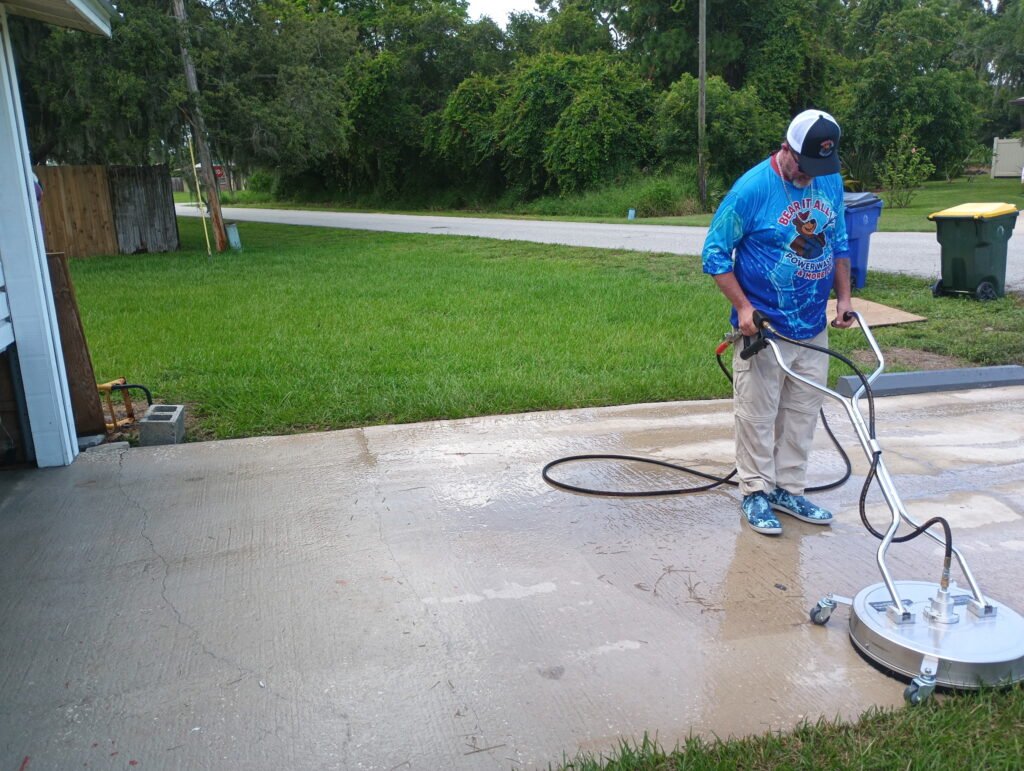
When it comes to cleaning your home or business exterior, many property owners are unsure whether pressure washing or soft washing is the right choice. While both methods are effective, they are designed for different surfaces and purposes. Understanding the difference helps protect your property and ensures the best results.
What Is Pressure Washing
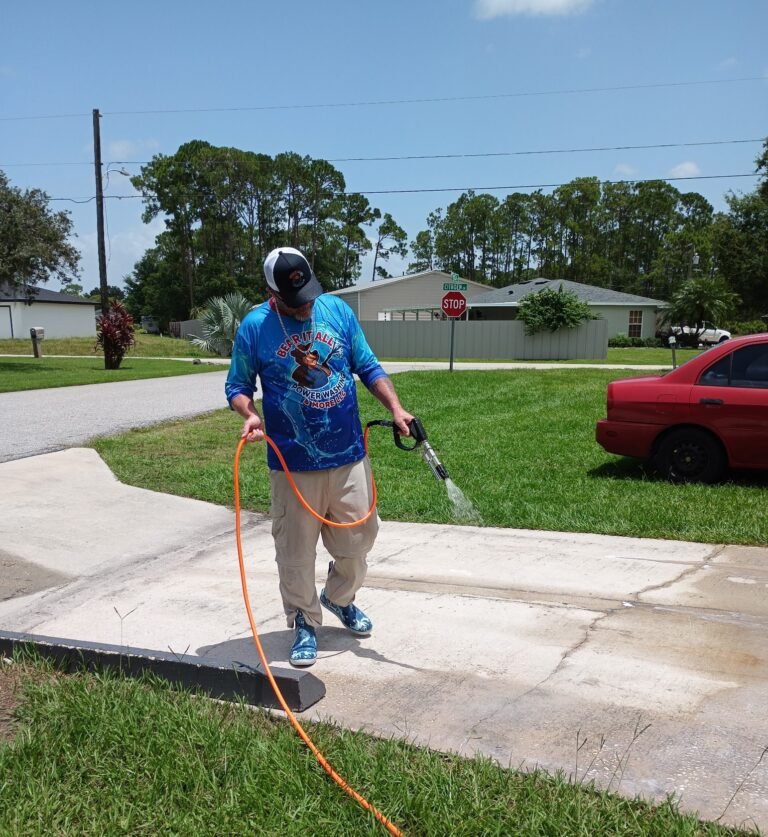
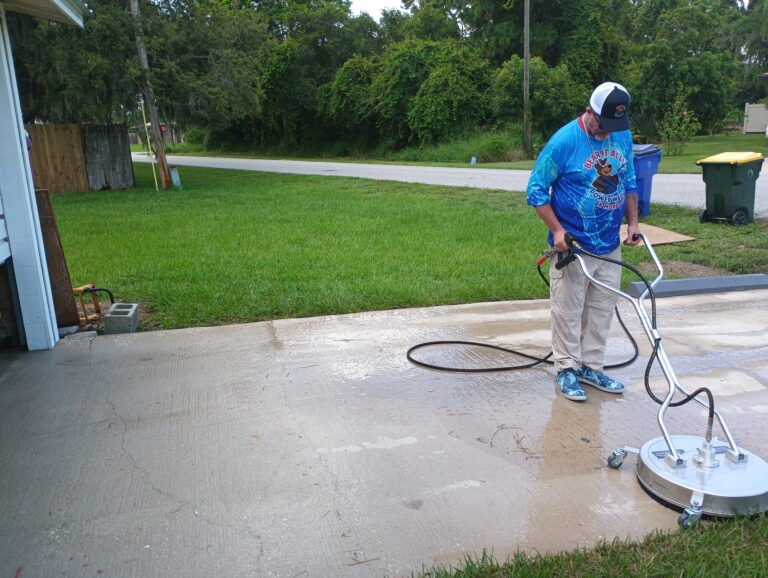
Pressure washing uses high-pressure water to remove dirt, grime, mud, and surface buildup from hard surfaces. It is ideal for durable materials that can withstand strong water pressure.
Common pressure washing applications include:
- Driveways and sidewalks
- Concrete surfaces
- Patios and pool decks
- Brick and stone areas
This method is highly effective for removing deep stains and restoring heavily soiled surfaces.
What Is Soft Washing
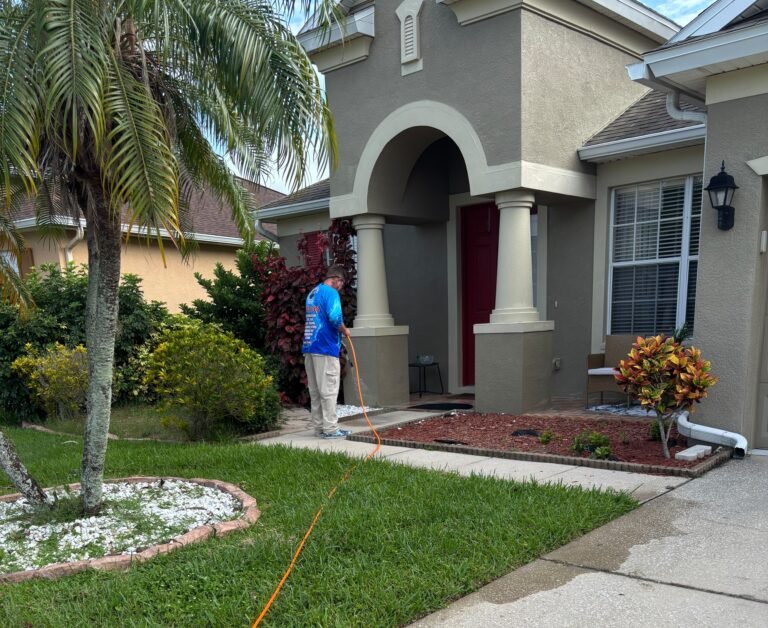
Soft washing uses low-pressure water combined with specialized cleaning solutions to safely remove mold, algae, mildew, and bacteria. Instead of relying on force, soft washing treats and kills organic growth at the source.
Soft washing is best for:
- House siding
- Roofs
- Stucco surfaces
- Fences
- Commercial buildings
This method prevents damage to delicate surfaces and provides longer-lasting results.
Why Using the Wrong Method Can Cause Damage
Using high pressure on surfaces like roofs, siding, or painted areas can lead to cracks, water intrusion, and surface damage. On the other hand, soft washing would not be effective on heavily soiled concrete.
Professional cleaning companies know when to use each method and adjust pressure levels accordingly.
Which Method Is Right for Your Property
The right cleaning method depends on the surface, condition, and type of buildup present. Most homes require a combination of both pressure washing and soft washing to achieve a complete exterior clean.
Trust Professionals for Safe Cleaning
Professional pressure washing companies are trained to evaluate surfaces and choose the safest and most effective approach. This ensures your property is cleaned thoroughly without unnecessary risk.